

How to Prepare Your Arizona Home for Sale in 2027
How to Prepare Your Arizona Home for Sale in 2027
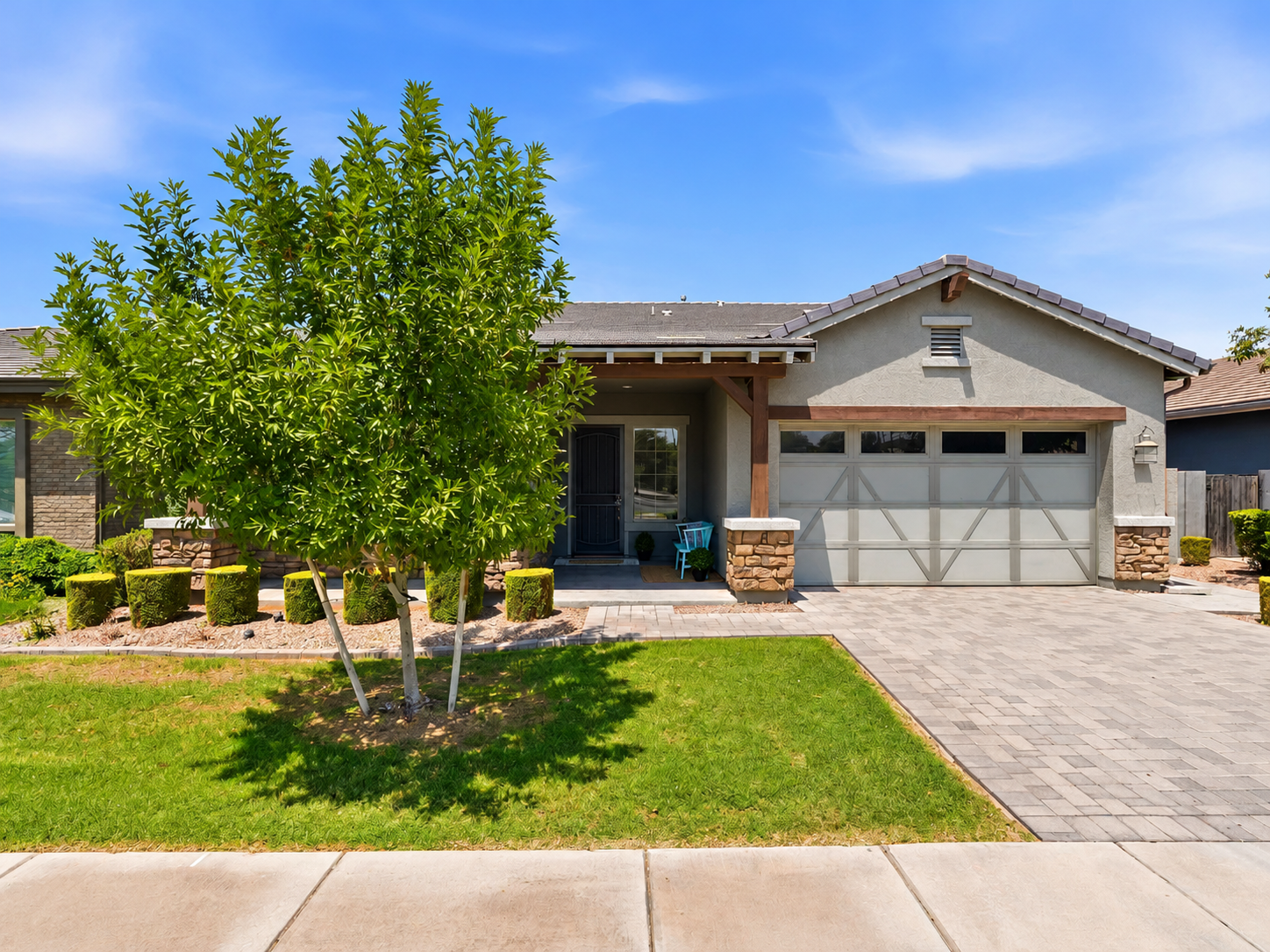
What’s the most important step in preparing an Arizona home for sale in 2027?
Price it correctly from day one, then handle what Arizona buyers check first: the AC, the roof, the pool, and your paperwork. Paint and staging come after that.
Most “get your house ready to sell” articles start with fresh paint and throw pillows. Those help. But if you’re selling in Mesa, Gilbert, or anywhere in the East Valley next year, they won’t make or break your sale.
Buyers have more choices than they did a few years ago. They’re taking their time, and many are comparing your house to new builds that come with financing deals. Getting ready to sell in 2027 means thinking like a buyer who has options.
Here’s what’s worth your time and money, and what isn’t.
Start With Pricing, Not Projects

This sounds backward, but it can save you thousands. Before you spend money on upgrades, find out what your home is realistically worth right now. That number tells you which projects make sense and which ones you’ll never get back.
Pricing matters a lot in this market. As of June 2026, more than half of single-family listings in Mesa had taken a price reduction, according to Altos Research. And according to Zillow, roughly 59% of Mesa sales closed below list price, and the typical home value dipped about 1.4% in the year ending June 2026. altoszillow
In plain English: a lot of sellers started too high and then had to chase the market down.
Your first few weeks on the market are usually when you get the most attention. If the price is too high, buyers scroll right past. Then the home sits, people start wondering what’s wrong with it, and the eventual price cut can leave you with less than if you’d priced it right from the start.
The goal isn’t the highest list price. It’s the most money in your pocket at closing.
Fix What Arizona Buyers and Inspectors Check First
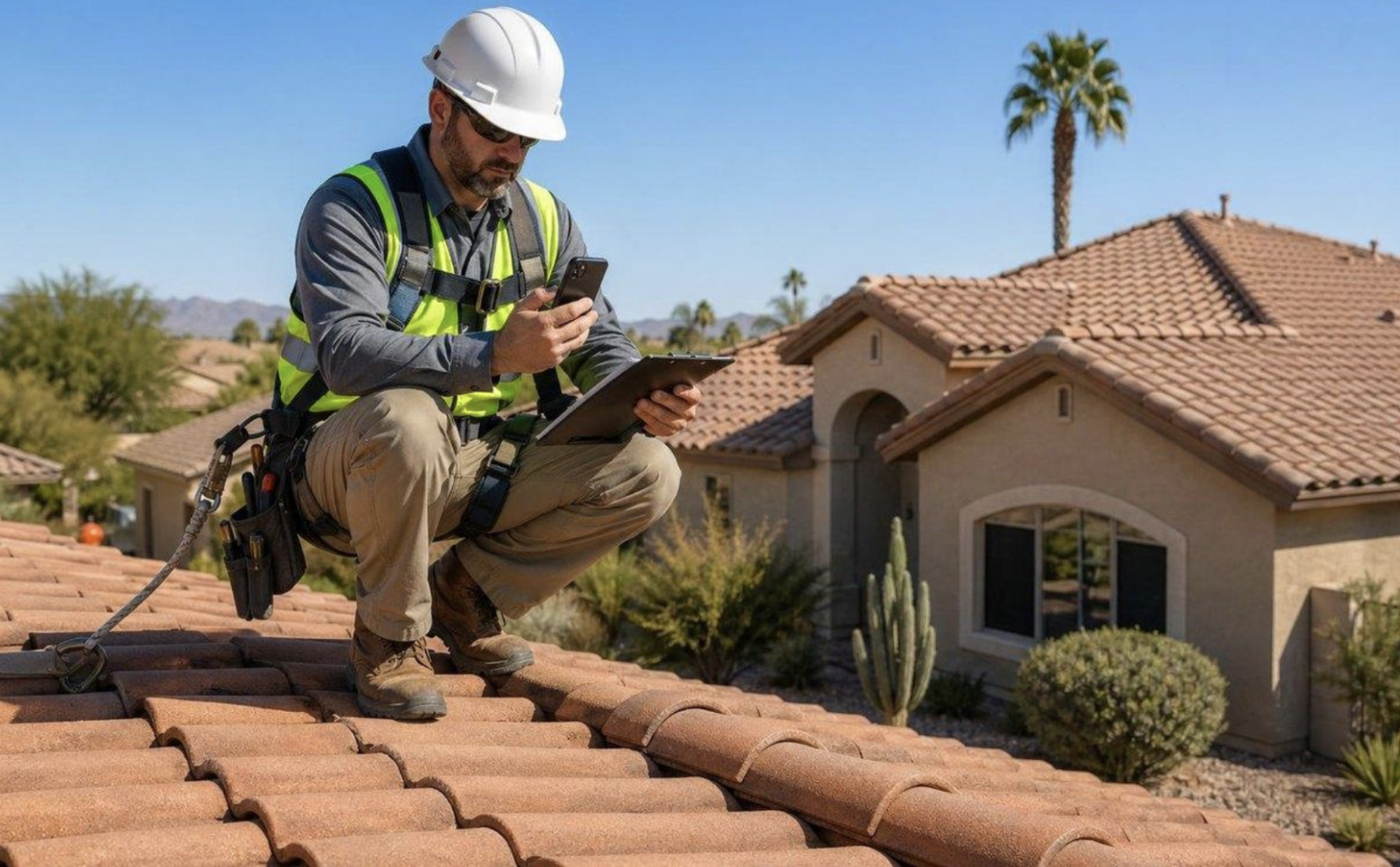
Arizona homes come with their own set of issues. If you handle these before you list, you avoid surprises during the inspection period. That’s where a lot of deals get renegotiated or fall apart.
Your AC. This is the big one. Buyers want to know how old the system is and when it was last serviced. Get it serviced before you list and keep the receipt. If the unit is near the end of its life, you don’t have to replace it. But you should know that going in so your price reflects it.
Your roof. Many East Valley homes have tile roofs. The tiles can last for decades, but the underlayment underneath wears out sooner. A roofer’s inspection before listing costs far less than a surprise repair request in the middle of escrow.
Monsoon and sun damage. Our summers are hard on houses. Walk around the outside and look for faded or peeling paint, cracked or slipped roof tiles, worn window seals, and storm damage to fences or trees. Small touch-ups make a home look cared for instead of tired.
Your pool. If you have one, make sure the pump, filter, and any heater work and the water is clean. A green pool in listing photos turns buyers off fast.
Landscaping and irrigation. Check that your drip system works, replace dead plants, and trim trees that hide the front of the house. A fresh layer of decorative rock is one of the cheapest ways to make a desert yard look sharp.
Termites. Termites are common here, and many buyers’ lenders want a termite inspection (often called a WDIIR in Arizona). If you’ve had treatment, have the records ready.
Get Your Paperwork Together Early
This is the step most sellers forget until the last minute.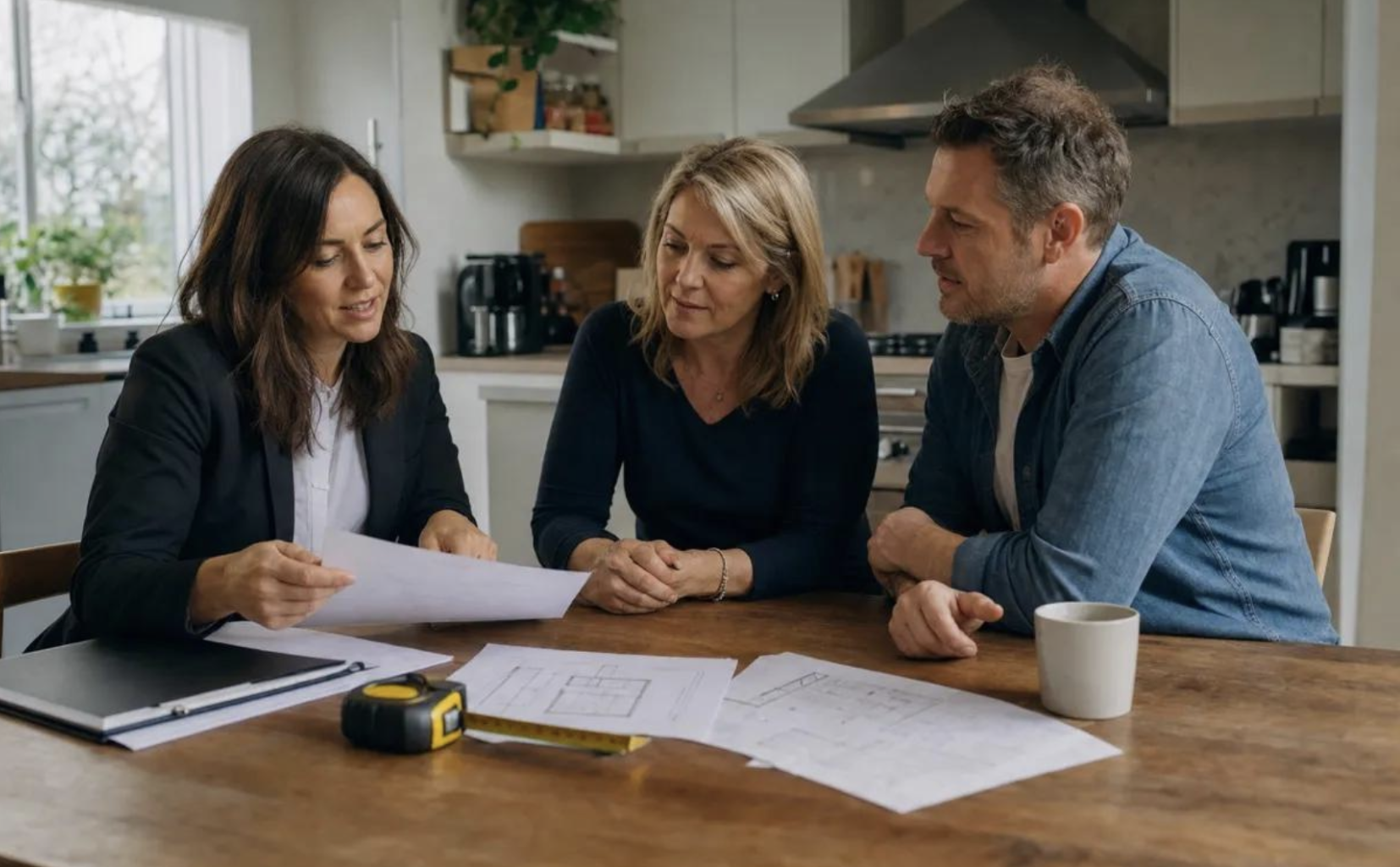
If you use the standard Arizona resale contract, you’ll have three days after the contract is accepted to deliver a completed Seller’s Property Disclosure Statement (SPDS) to the buyer. That’s fast. And selling as-is doesn’t get you out of it: Arizona law requires sellers to disclose material facts about the property even if no one asks, and even if both sides agree to skip the SPDS. You can look over the Arizona REALTORS® SPDS form ahead of time so nothing catches you off guard. aaronlineloopnet
Start gathering these now:
- Receipts for major repairs (AC, roof, plumbing, water heater)
- Warranty paperwork for anything still covered
- Permits for additions, patios, or remodels
- HOA documents and contact info, if you’re in an HOA
- Pool equipment and termite treatment records
- Your homeowner’s insurance claims history, since buyers and their insurers may ask about past claims
If you have solar panels, find out whether they’re owned or leased. Owned panels are usually a selling point. Leased panels often mean the buyer has to take over the lease and get approved by the solar company, which adds a step to your sale. Pull your solar agreement now so you’re not scrambling after you’re under contract.
Know Who You’re Competing Against
In parts of the East Valley, especially east Mesa, Queen Creek, and San Tan Valley, you’re not only competing with other resale homes. You’re competing with builders.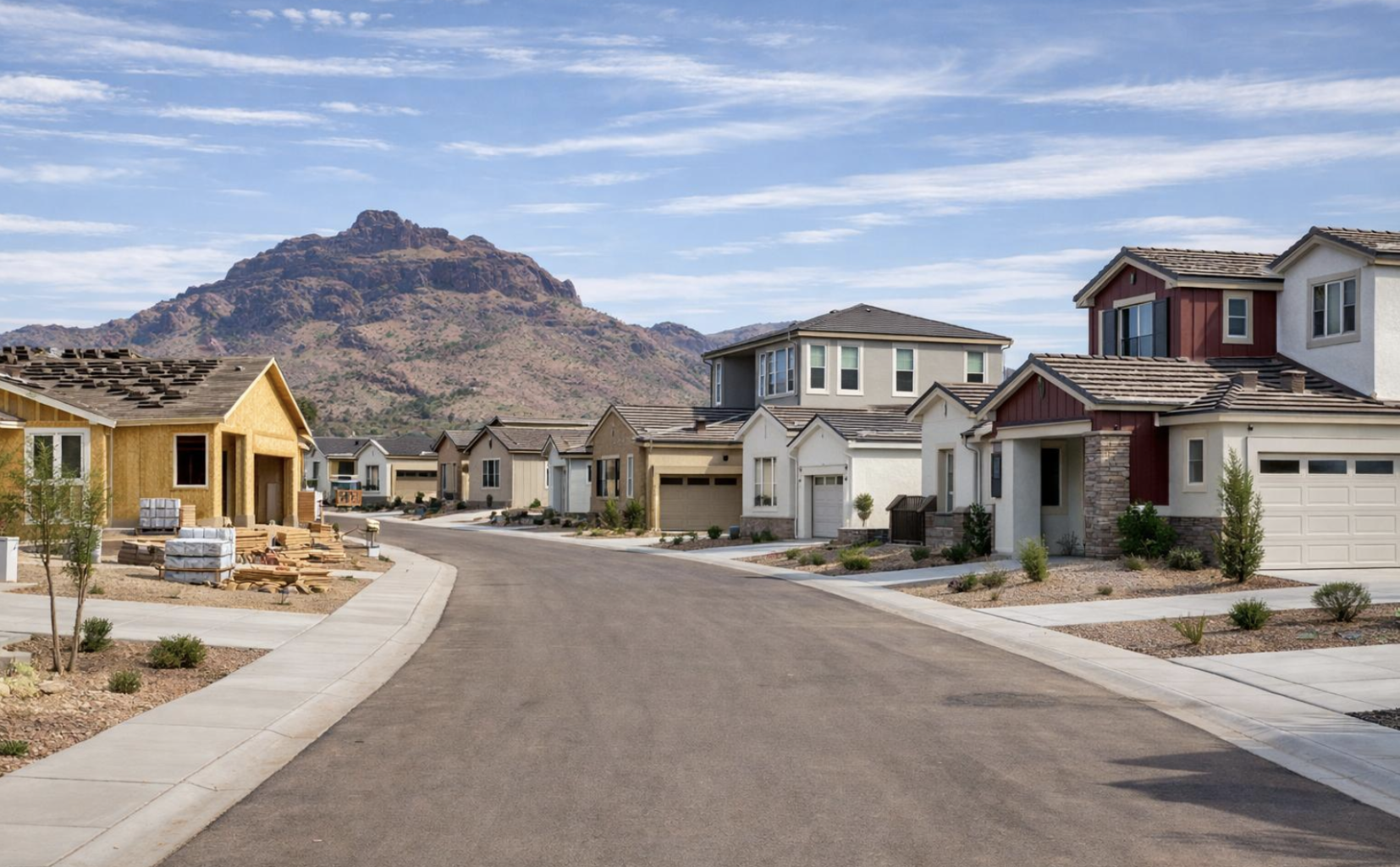
New-build communities often offer incentives like rate buydowns through their preferred lender. That can lower a buyer’s monthly payment more than a small price cut on your house would.
You can’t outspend a builder, but you can compete. Resale homes often have things buyers want: established neighborhoods, mature trees, finished backyards, window coverings already installed, and no waiting on construction. Your listing should make those things obvious. Sometimes offering a credit toward the buyer’s closing costs or a rate buydown helps close the gap. Whether that makes sense depends on your price point and what’s selling nearby.
Make Showings Comfortable
Arizona buyers notice temperature the second they walk in. Keep the AC set at a comfortable temperature during showings, even if you’re not home. Turn on ceiling fans and lights. Close the blinds during the hottest part of the day, then open them before buyers arrive so rooms look bright.
Beyond that, keep it simple: deep clean, clear off counters, put away personal items, and power wash the driveway and entry. Professional photos matter more than ever, since nearly every buyer sees your home online before they see it in person.
Should You Get a Pre-Listing Inspection?
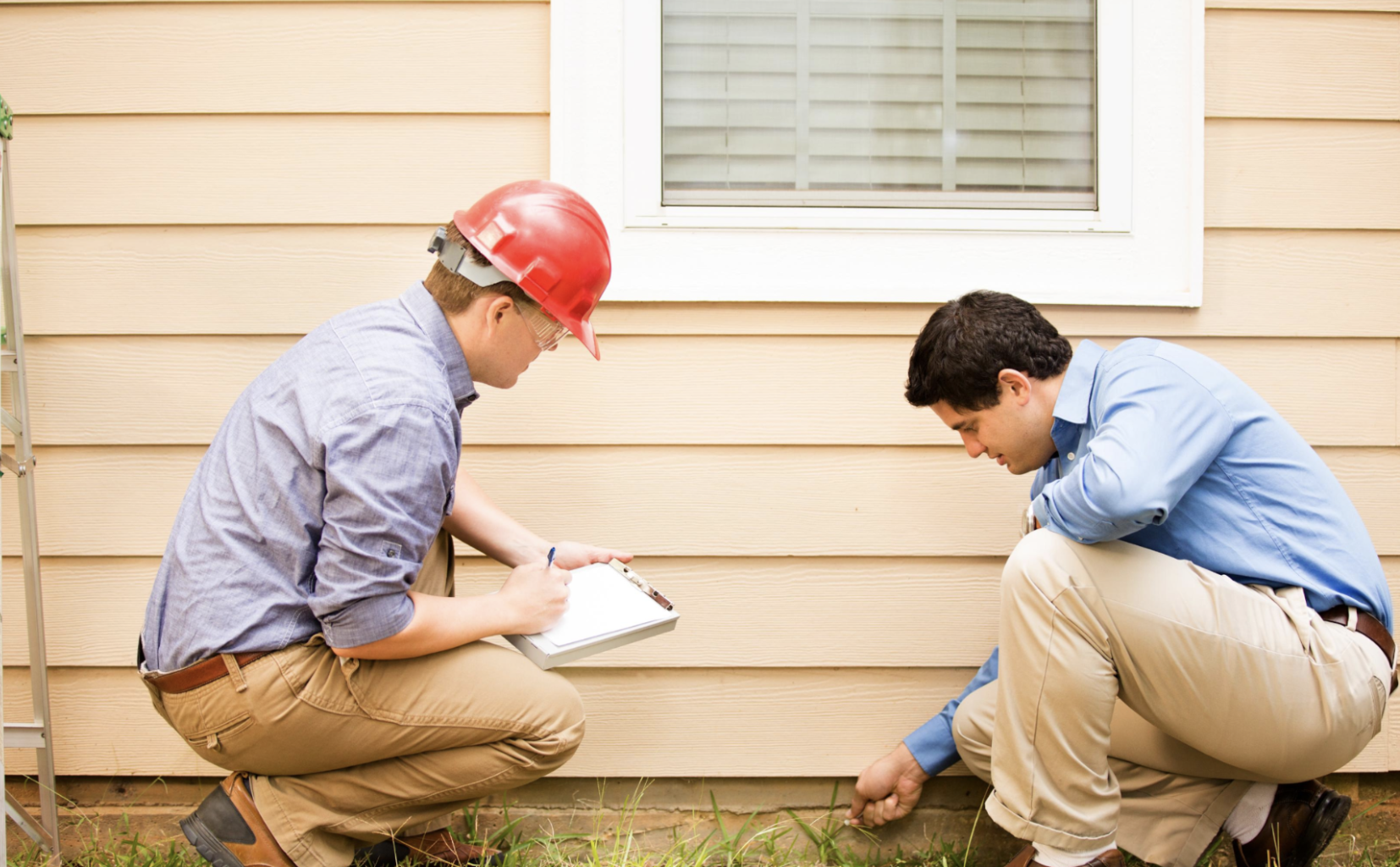
It’s worth considering, especially if your home is older or you haven’t replaced major systems in a while. A pre-listing inspection shows you what a buyer’s inspector will likely find, so you can fix it, price around it, or disclose it upfront.
The trade-off: anything you learn, you’ll need to disclose. For most sellers, knowing is still better than being surprised in escrow.
Frequently Asked Questions
What should I fix before selling my house in Arizona?
Focus on things that affect safety, function, and inspection results: the AC, roof, plumbing, pool equipment, and any obvious damage. Cosmetic updates like paint and landscaping help, but only spend where your local market shows buyers will pay for it.
Is spring the best time to sell in the East Valley?
Spring has traditionally been a busy season in the Valley, but the right timing depends on your next move and how much competition is in your area. If you’re aiming for spring, start prepping in winter, when outdoor projects are easier than in the summer heat.
Can I sell my Arizona home as-is?
Yes, but you still have to disclose known material facts about the property. As-is pricing also needs to reflect the home’s condition, or buyers will negotiate after the inspection anyway.
Thinking About Selling in 2027?
If you’re planning to sell next year, the best time to start is a few months before you list. I’m happy to walk through your home with you, point out which fixes are worth doing and which you can skip, and show you what similar homes near you are actually selling for. No pressure, just a clear plan.
Reach out to Jerry Sharp with Sharp Dwellings at Real Broker at SharpDwellings.com.
Recent Posts




LEAVE A COMMENT